The process of cold heading uses force to shape a metal blank into a shape of a punch and die. The process is called cold forming because the metal is cooler than in many hot forging processes, where the metal is near the melting point during forging. Most cold forged processes still heat the metal some, but the heating process takes place in a separate machine from the punching and die forming process. A cold headed part is formed when the metal’s yield strength is exceeded. When this happens, the material flows into the die, and transforms into that size and shape of object.
Surprisingly enough, cold heading parts can actually produce more precise parts than other parts manufacturing processes. Because of the specific shape of the die, it is possible to create small precision parts without the need for extra machining or tooling. It is possible to make small and complex contacts, rivets, miniature components, electronic components, and electrodes. Cold heading also is cheaper and faster than many other metal forming processes.
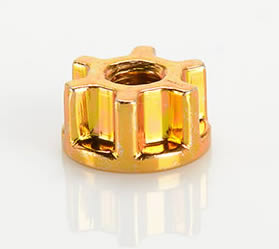 Cold Headed Parts
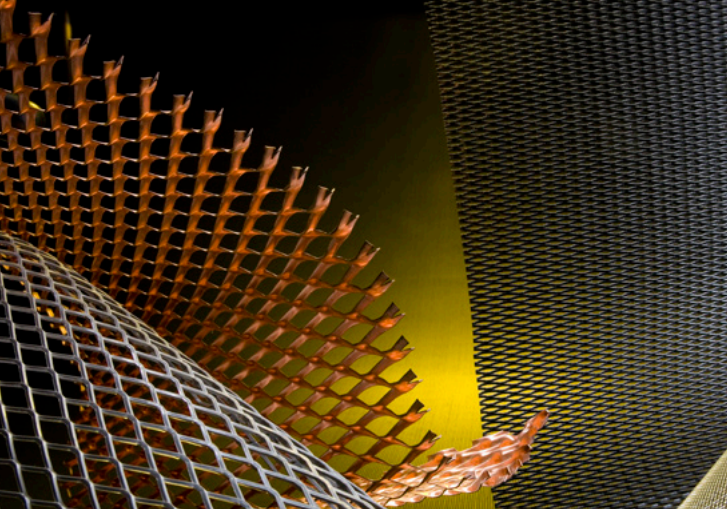 Expanded Metals
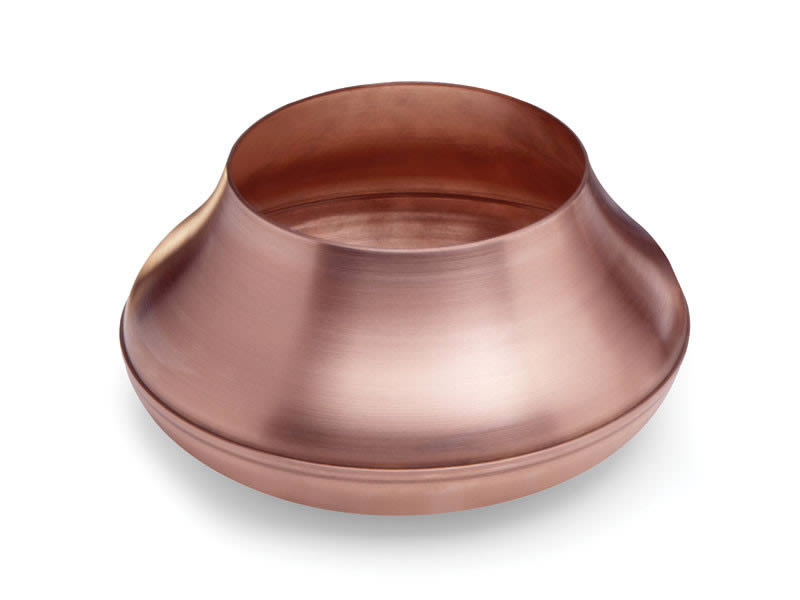 Metal Spinning
 Powdered Metal Parts
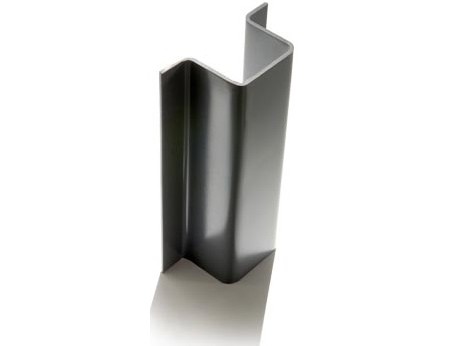 Roll Forming
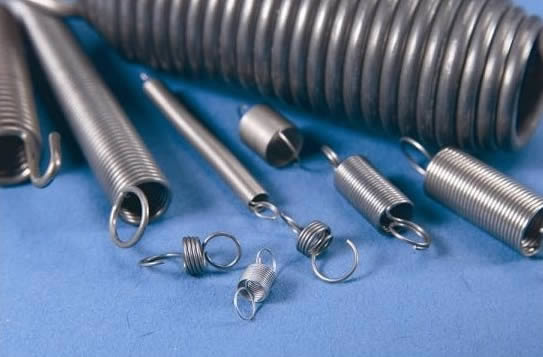 Springs
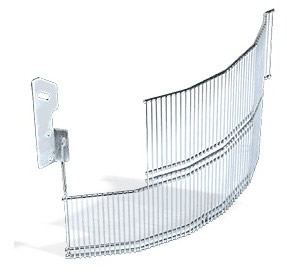 Wire Forms
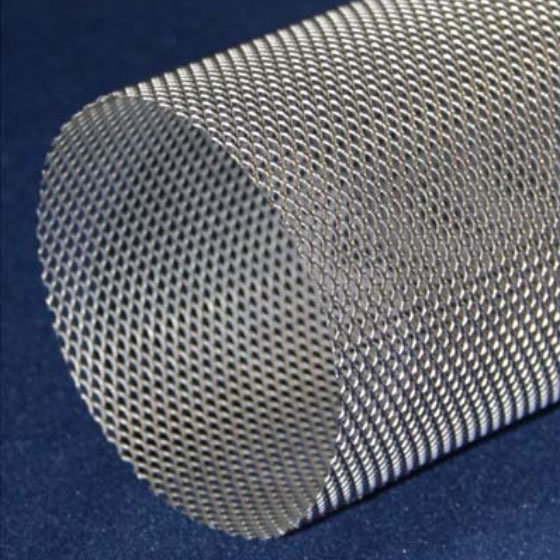 Wire Mesh
 Castings & Forgings
 Bulk Material Handling
 Electrical & Electronic Components
 Flow Instrumentation
 Hardware
 Material Handling Equipment
 Metal Cutting Services
 Metal Forming Services
 Metal Suppliers
 Motion Control Products
 Plant & Facility Equipment
 Plant & Facility Supplies
 Plastic Molding Processes
 Pumps & Valves
 Recycling Equipment
 Rubber Products & Services